
PHOTO
The NSW Independent Pricing and Regulatory Tribunal has set council rate pegs for the 2026-27 financial year with Hilltops Council's rate peg set at 3.2 per cent.
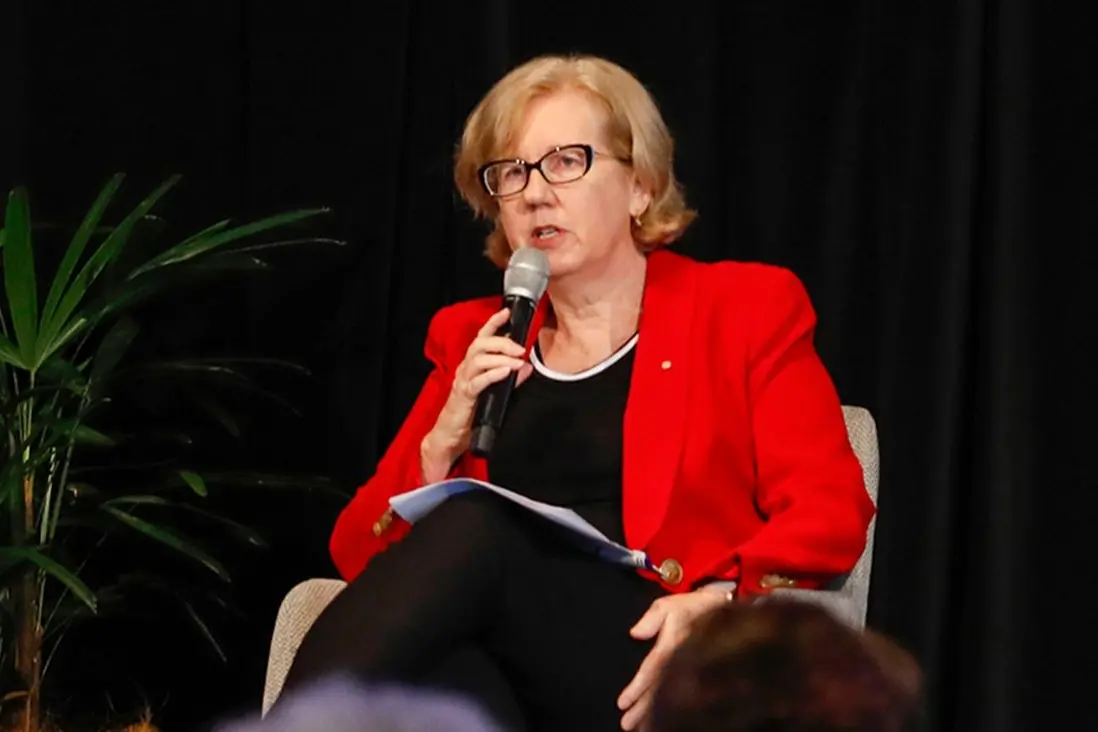
Tribunal Chair Carmel Donnelly said IPART sets a separate rate peg for each of the State’s 128 local government areas and core rate pegs range from 2.5 per cent to 4.2 per cent.
“The rate peg allows councils to increase income from rates to keep pace with increased costs, while limiting the increase to what is necessary to maintain services,” Ms Donnelly said.
“This helps councils keep providing services that ratepayers rely on.
“The rate peg reflects changes in council operating costs.
"The Tribunal has also included an adjustment to smooth the impact of local government election costs for ratepayers.” she said.
“83 councils will also receive an additional population growth factor to reflect their increasing population, so council’s total rates income per capita keeps pace with population growth.”
The core rate peg for Hilltops was set at 3.2 per cent with the population factor set at 0.0 percent making the final rate peg 3.2 per cent for the 2026-27 financial year.
The rate peg only applies to a council’s ‘general income’, which is mostly from rates and makes up around a third of councils’ total income on average.
Councils receive revenue from multiple sources other than rates, including grants and user fees and charges.
It is now up to each council to decide whether rates will rise.
The rate peg doesn’t automatically change the rates notice people receive from their council.
Each elected council will decide whether to increase rates, which categories of rates to change, and what concessions apply to people in need of financial assistance.
“We encourage any ratepayers facing difficulty paying their rates bill to get in touch with their council for information on concessions and other assistance options.”
Weddin Shire Council were awarded at 4.2 per cent rate peg, while Yass Valley was set at 3.4 per cent, Cowra 3.8 per cent while Cootamundra-Gundagai was set at 3.2 per cent.
The final rate peg is the core rate peg including the population factor adjustment.
According to IPART the methodology does not reduce council income when population falls because in an area of falling population a council still needs to maintain its infrastructure and provide services, so its costs may not decline correspondingly.