All licensed landfills and sewage treatment plants (STPs) in NSW will be required for the first time to monitor and report PFAS in wastewater under new Environment Protection Authority (EPA) requirements.

The mandatory monitoring that comes into effect from October this year, follows guidance in the PFAS National Environment Management Plan (NEMP) that identifies these sites as secondary PFAS sources in the environment.

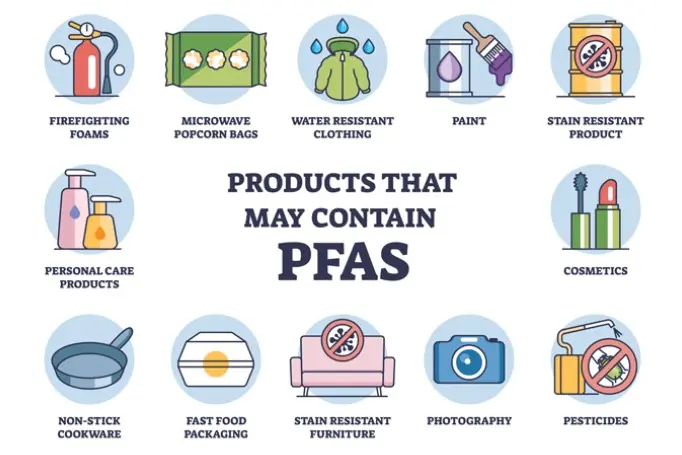
PFAS - perfluoroalkyl and polyfluoroalkyl substances - are a large group of synthetic chemicals used since the 1950s to make consumer products resistant to heat, stains, grease, and water.

Known as "forever chemicals" they do not break down in the environment or the human body, leading to worldwide health and environmental concerns.

As part of a new Chemical Control Order (CCO), licensees will be required to monitor for PFAS in their wastewater and provide an annual report to the EPA.

The data will be used to inform whether further assessment is required based on factors such as concentrations in discharges, the receiving environment and potential exposure pathways.

Executive Director Regulatory Operations Steve Beaman said the CCO will establish consistent, science-based PFAS monitoring requirements across potential secondary sites of concern.

“This is an important step in the NSW Government’s PFAS response for the health of our environment and our communities,” Mr Beaman said.

“Landfills and sewage treatment plants have been identified nationally as possible secondary PFAS sources so we are now working with these licensed sites across NSW to determine whether PFAS levels may pose a risk of harm to accurately consider next steps.

“Approximately 140 licensed landfills and 260 STPs will be required to monitor and report their PFAS discharges under these new requirements.

“This complements the work already underway as part of the NSW Government PFAS Investigation Program and follows the ban of PFAS for use in manufacturing in Australia and in imported products in 2025.”

The presence of PFAS in wastewater does not necessarily mean there is a risk to public health.

PFAS is widespread in our environment, and most people are exposed to small amounts everyday through household and industrial items such as packaging, cookware and personal care products.

The PFAS CCO was finalised following public consultation with local government, public utilities and the general public earlier this year.

More information can be found at https://www.epa.nsw.gov.au/Your-environment/Chemicals/chemical-control-orders/landfill-and-sewage-treatment-plant-pfas.