PHOTO
71039.0
Households in Harden-Murrumburrah and surrounds facing rising power bills are being encouraged to look closely at the NSW Government’s new Home Energy Saver program, with local advocates saying the scheme could help families make practical upgrades that reduce long-term costs without sacrificing comfort.
The program offers zero-interest loans of up to $15,000 for eligible households, allowing energy-saving upgrades to be paid off over time rather than upfront. Discounts of up to $4,000 are also expected to become available later in 2026 for eligible lower-income households, concession card holders and some renters, subject to landlord approval.
While many people immediately think of solar panels, the scheme is broader than rooftop solar alone. Eligible upgrades can include solar and batteries, but also insulation, reverse-cycle air conditioning, switchboard upgrades, ceiling fans, draught-proofing, heat pump and solar hot water systems, induction cooktops, EV chargers and double glazing.
For Harden-Murrumburrah and surrounding communities, that breadth matters. Many older homes across the region face heat loss in winter, heat gain in summer, draughts, ageing electrical infrastructure or heating systems that are expensive to run. The new program gives households an opportunity to look at the parts of the home that will make the biggest practical difference.
HRDC CEO Melissa Pinney said the scheme could be particularly valuable in regional areas where families are actively looking for ways to manage household costs.
“Before moving to Harden-Murrumburrah last year, I lived in Canberra where a similar ACT scheme was already operating,” Melissa said.
“At my previous home, I used that opportunity to move away from gas heating and install ducted heating and cooling. The comfort improvement was immediate, but what really stood out was the difference in my energy bills.
“That experience is why I think this NSW program matters. It helps remove one of the biggest barriers for households, which is the upfront cost. People want to make sensible changes, but they need a pathway that is affordable and practical,” Melissa said.
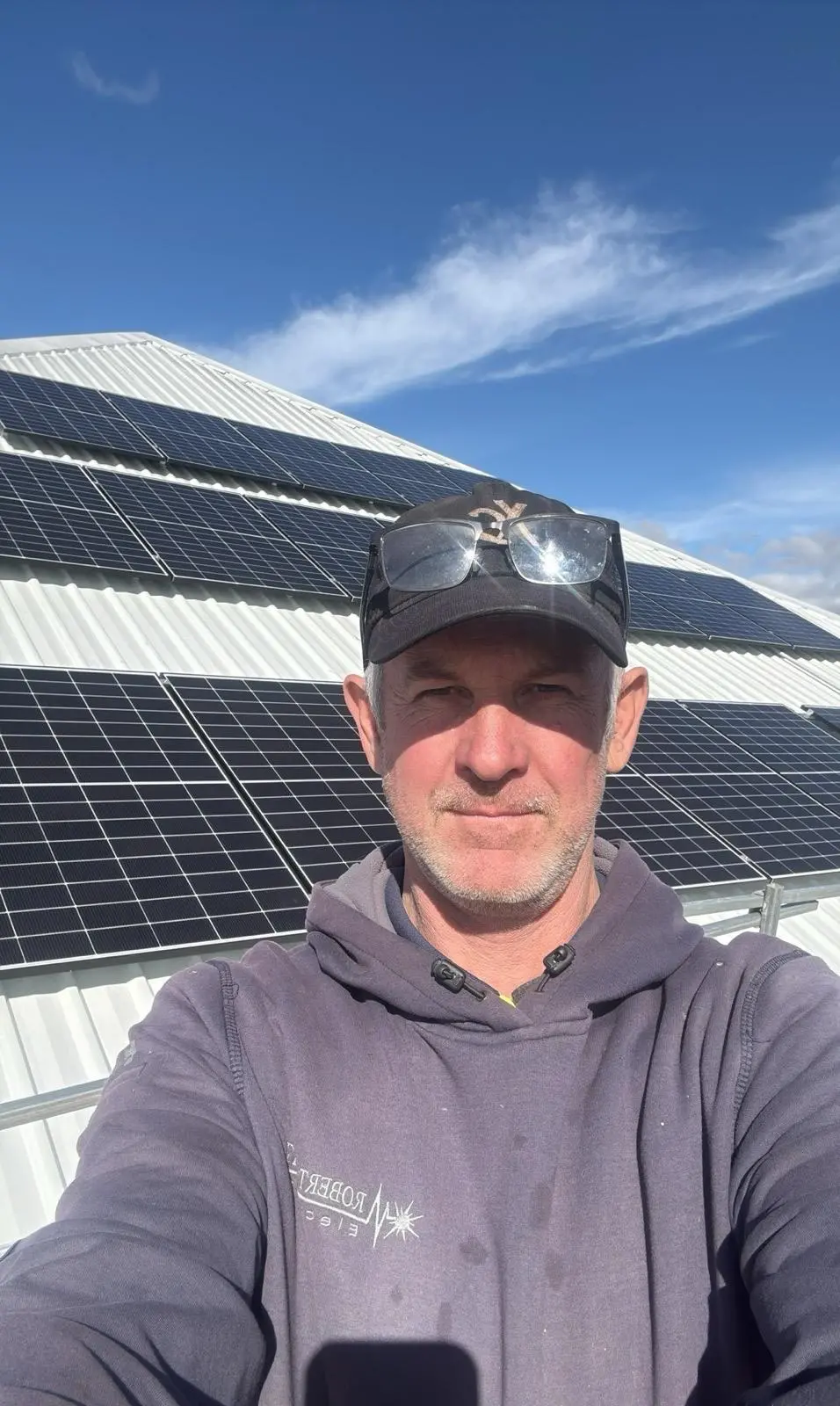
Local electrician and HRDC Business Collective member Rob Scott said the local value of the scheme would come from helping households make informed decisions, not simply selling one product.
“The best results come from looking at the whole home, not just one piece of equipment,” Rob said.
“For some households that might be solar and a battery. For others, it might be insulation, reverse-cycle air conditioning, switchboard work, ceiling fans or draught-proofing. The important thing is choosing upgrades that suit the property, the household’s budget and the way people actually use their home.”
Rob Scott works in collaboration with other HRDC Business Collective members, including Green4Life Oz and Photon Energy Solutions, who can offer the incentive program locally and help residents understand which upgrades may be suitable for their home.
He said local advice was important because homes across the district vary widely in age, layout, roof space, electrical capacity and heating needs.
“Customers are often looking for more than an installation,” Rob said.
“They want clear advice, trusted workmanship and local trades that understand the conditions here. Working through local Business Collective connections means people can access practical support, understand the program properly, and turn the incentive into genuine long-term savings.”
Vishal Srivastava, Managing Director of Photon Energy Solutions, said customers were increasingly thinking beyond one-off installations.
“Customers aren’t just buying solar and batteries, they’re investing in energy independence. They need all the help they can get from the government and genuine advice from trusted industry professionals to make sure they can achieve their goals,” Rob said.
The NSW Government says just over half of houses in the state already have solar, with around 13,000 new batteries being installed each month, showing how quickly households are seeking greater control over bills.
For regional communities, however, this is about more than technology. It is about easing cost-of-living pressure, supporting local trades and helping families invest in cleaner, more resilient homes.
Residents considering upgrades are encouraged to check eligibility, compare options and speak with qualified local providers before committing to work.