For generations, a good location, loyal customers and strong word-of-mouth were enough to keep many small-town retailers thriving.

Today, however, the retail landscape is changing. While physical shopfronts remain the heart of many regional communities, increasing numbers of business owners are finding that an online presence is no longer simply a marketing tool — but is becoming an important part of keeping the doors to their shopfront open?

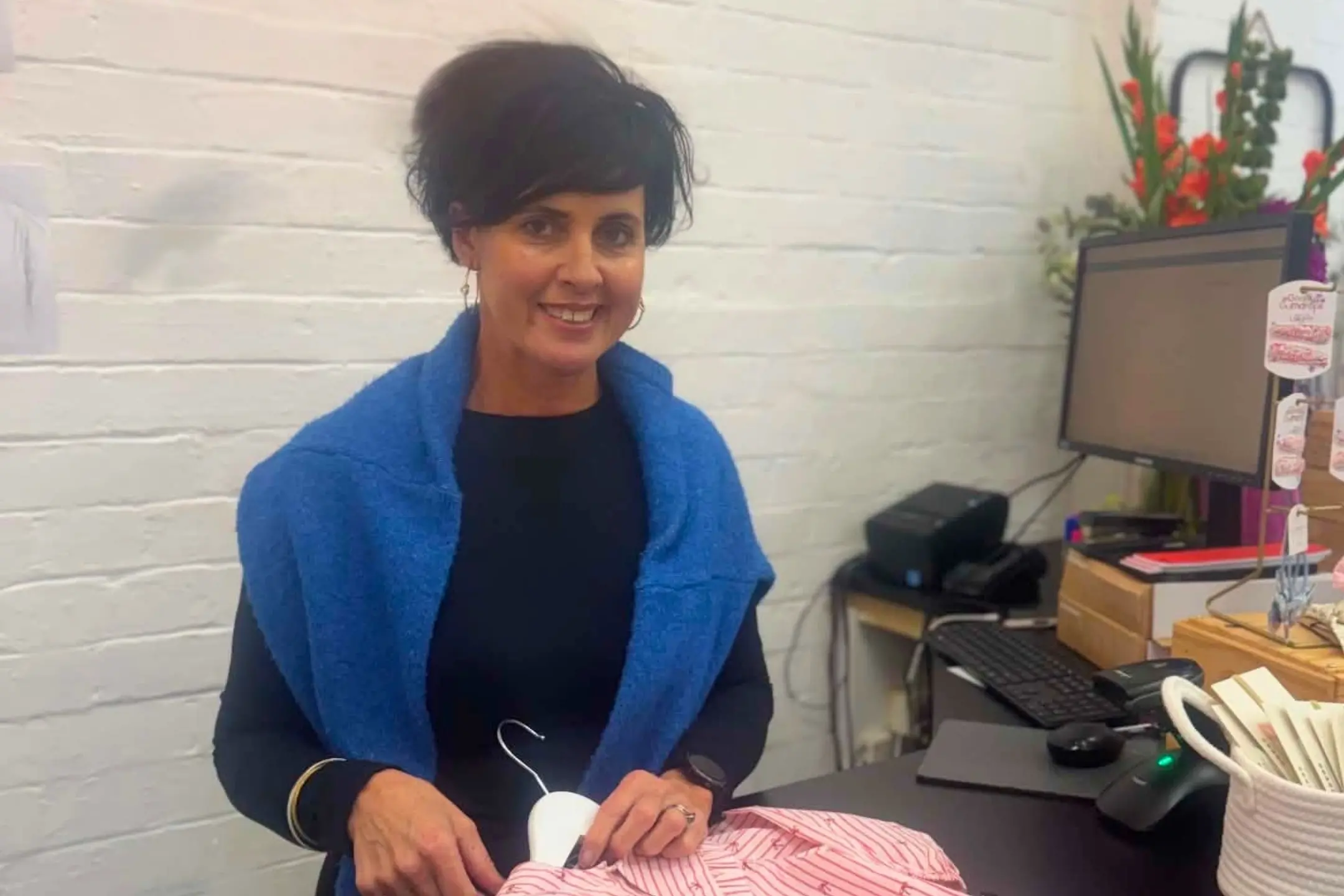
For Bec Jones, owner of Lime n Soda in Young, the online side of the business has become an essential extension of the physical store rather than a separate sideline operation.

One of the biggest misconceptions she encounters is that local customers often view her online store and her storefront as two different things.

“A lot of people still don't realise that our online store is the same business as our shopfront,” Ms Jones said.

"At times I've said to customers you know you can buy these online if that is easier for you and they say that's ok, I would rather support you in-store than buy online, but they don't realise the online store is still supporting our local business. It's all part of the same operation.”

Ms Jones said the online store provides valuable additional revenue and allows the business to reach customers far beyond the Hilltops region.

“We have customers from all over Australia,” she said.

“I have a regular customer in Bourke who shops through the online store. Without an online presence, we simply wouldn't have access to those customers.”

For regional retailers operating within communities of limited population, that broader reach can make a significant difference.

While local customers remain vital, online sales allow businesses to continue generating income outside traditional trading hours and beyond the boundaries of their local market. This extra revenue allows us to keep the doors to our shopfront open.

The rise of online shopping has also changed customer expectations.

Consumers are browsing products from their lounge rooms, discovering items through social media feeds and making purchases with a few clicks rather than waiting until they can visit a store.

For small-town retailers, that means competing not only with nearby businesses but also with major online retailers and constant digital advertising.

“People are scrolling at home every night and products are appearing in front of them all the time,” Ms Jones said.

“Having an online presence allows local businesses to be part of that space as well and to remember that we are here.”

However, she said the benefits come with considerable effort behind the scenes.

Maintaining an online store requires much more than simply uploading a few photos.

“There is a lot of work involved in loading products, updating information, managing the website and planning content,” she said.

"That often translates into a lot of after-hours work".

“On quieter days you can get some of it done in the store, but a lot of it happens at home after hours.”

The online store has also improved customer service and streamlined many everyday social media interactions.

Before introducing her online store, Ms Jones said she spent considerable time responding to messages asking about prices, stock availability and product details.

Now customers can access much of that information themselves.

“Often customers come into the store and say they've seen something on the website and want to have a look at it in person,” she said.

“So the online store doesn't just create online sales — it also helps bring people through the door.”

While online shopping continues to grow, Ms Jones believes physical stores still offer something that cannot be replicated through a screen.

“Customer service is a big part of it,” she said.

“People can touch and feel products, ask questions and have genuine conversations.”

She believes the value of shopping locally extends beyond the transaction itself.

“In a small town, you're often speaking directly with the owner of the business,” she said.

“The people behind these businesses genuinely care about their customers and their community.”

That personal connection, she says, is becoming increasingly important in a world where many interactions are now conducted online.

For some customers, a visit to a local business is about more than simply purchasing a product. It is an opportunity for conversation, connection and engagement with the community.

As shopping habits continue to evolve, many regional retailers are working to strike a balance between embracing the opportunities of online commerce and preserving the personal experiences that make country towns unique.

For businesses like Lime n Soda, the future may not be a choice between online retail and physical retail at all.

Instead, it may be about recognising that in modern regional retail, the two increasingly work hand in hand.