
PHOTO
65384.0
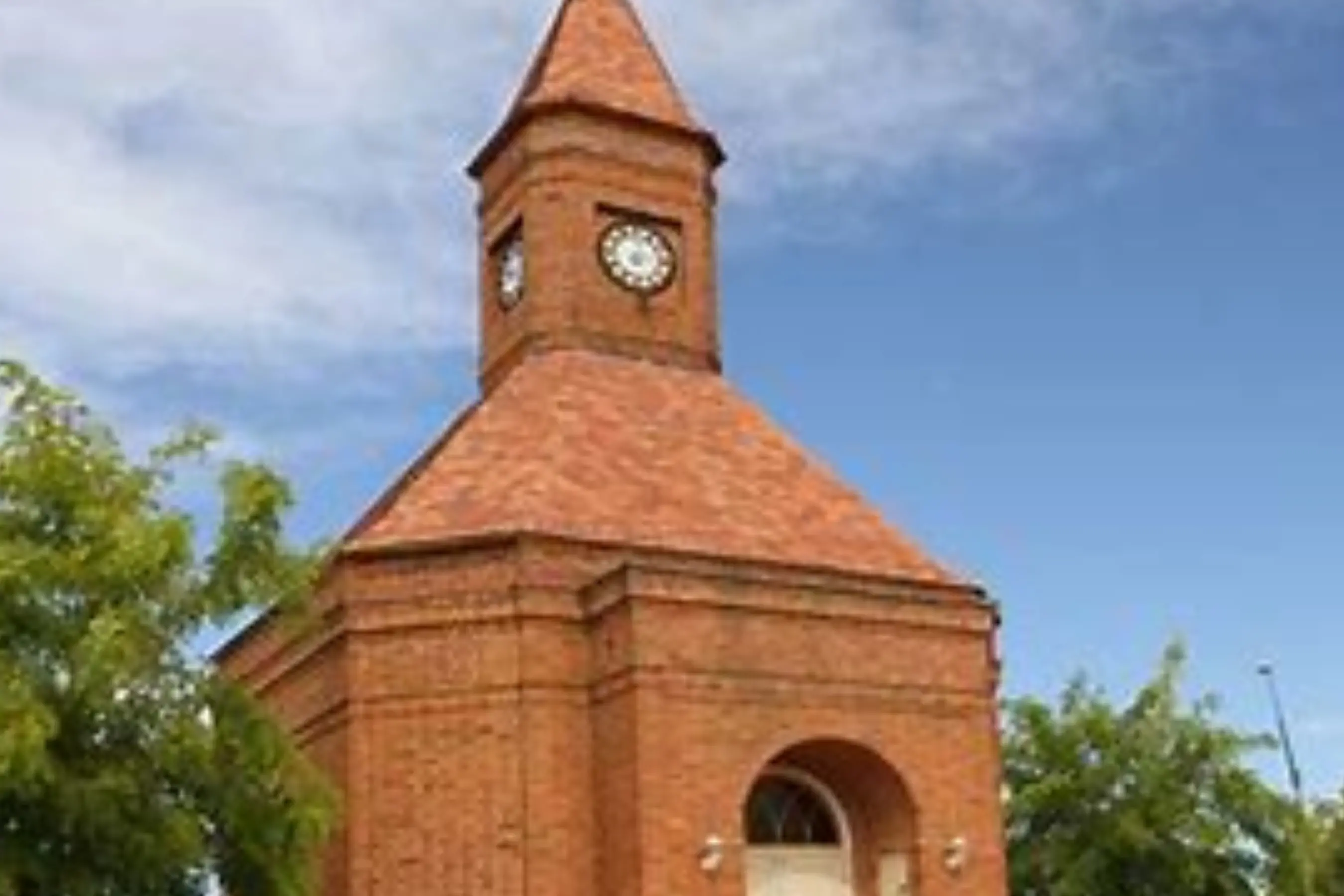
In the heart of Boorowa, the town’s war memorial stands quietly on the northern end of the main street — not just as a tribute to those who served, but as a reflection of a community that once struggled to agree on how best to remember them.
The Boorowa War Memorial was not completed until 1933 — later than many others across the country — largely due to years of disagreement about what form it should take. Behind the debate were two governing bodies — the rural-based Murrungal council and the Boorowa town based municipality — each needing to agree on decisions that affected the town.
in an attempt to resolve the matter, the community held it's first ever referendum. Some wanted a band rotunda. Others pushed for a bridge over Ryan’s Creek. Both proposals were voted on — and both were ultimately rejected.
Yet out of this fractured beginning came something uniquely Boorowa.
Rather than a statue or arch, the final memorial was designed as a building — a place for gathering as well as remembering. It would serve as both an RSL meeting room and a war memorial, making it a living part of the town rather than a distant symbol.
But that outcome didn’t come easily.
After years of debate, the local RSL grew tired of waiting for the community to reach agreement. Instead, they took matters into their own hands — launching a design competition in partnership with the Royal Australian Institute of Architects.
The winning design came from returned soldier W.R. Richardson, whose vision brought something more than structure. His design reflected care, meaning, and attention to detail — ensuring the memorial would carry not just names, but emotion.
The building has eight sides, with each face pointing in a different direction — symbolising soldiers coming from all points of the compass to unite as one force.
Materials were sourced from across Australia, representing the six states that existed at the time — from Western Australian jarrah floors to Queensland maple windows and NSW sandstone at the entrance.
Even the windows were designed with intention — facing east and west to honour the words recited each ANZAC Day: “At the going down of the sun and in the morning, we will remember them.”
On the four clock faces there are the letters ANZAC written twice in place of numbers.
The memorial was a project led by returned soldiers themselves, with a clear directive — wherever possible, the work should be carried out by those who had served.
And perhaps most telling of all, it was built during the Great Depression. Despite limited means, the community raised £1000 through fetes, donations, and local efforts — a remarkable achievement at a time when money was scarce.
The first ANZAC Day service was held there in April 1933, even before the building was fully complete. The honour roll was unveiled, and the space became what it was always meant to be — a place of remembrance.
And that’s the real story. Not just of those who served — but of a community that worked through its differences to honour them in a unique and significant way.
Local history courtesy of the Boorowa Museum