
PHOTO
71541.0
Knowing where to start is one of the key challenges facing local residents at risk of diabetes or already living with the condition, as National Diabetes Week puts renewed attention on prevention, early detection and access to care.
National Diabetes Week runs from 12 to 18 July, with the annual campaign drawing attention to one of Australia’s most common chronic health conditions and the pressure it places on individuals, families and the wider health system.
For regional communities like ours, the issue is not only awareness, but access — knowing what services are available, who to contact first, and how to get the right support before diabetes becomes harder to manage.
Murrumbidgee Primary Health Network said access to specialist diabetes care could be a challenge in rural and regional communities, particularly in the Murrumbidgee region, where rates of diabetes and diabetes complications are high.
“Many patients face long travel distances to access specialist care, along with transport challenges and long wait times,” MPHN said.
The DREAM Diabetes Outreach Clinic, a collaboration between St Vincent’s Hospital, Murrumbidgee Primary Health Network and Murrumbidgee Local Health District, is helping address those barriers by bringing specialist care directly to local communities, including towns such as Young.
“This reduces travel and improves access to timely, coordinated support,” MPHN said.
Since launching in 2024, the program has delivered clinics across the region and MPHN said it was seeing strong outcomes, including measurable improvements in blood glucose levels and BMI, and more appropriate use of diabetes medications.
“Patients and their GPs are better supported with specialist advice to manage diabetes, improving outcomes and reducing the risk of long-term complications,” MPHN said.
“Feedback has been overwhelmingly positive, with patient satisfaction at 100 per cent and strong support from local general practices.”
The pathway into diabetes care depends on a person’s situation, but the first step for most residents is a conversation with their GP or local health professional.
People who are worried they may be at risk of type 2 diabetes, or who have symptoms such as increased thirst, frequent urination, tiredness, blurred vision, slow-healing cuts, unexplained weight changes or recurring infections, are encouraged to book a GP appointment and ask about diabetes testing and prevention support.
For people already diagnosed, a GP can help coordinate ongoing management, including medication, monitoring, pathology, allied health referrals and access to specialist advice where needed.
Access to specialist outreach services such as DREAM is commonly through general practice settings, with GPs identifying patients who may benefit from specialist diabetes input.
That means residents interested in whether specialist diabetes support may be suitable for them should speak with their GP, who can advise on the DREAM program, on referral options and available pathways.
Residents concerned about diabetes risk, symptoms or management are encouraged to start by speaking with their regular GP or local health service.
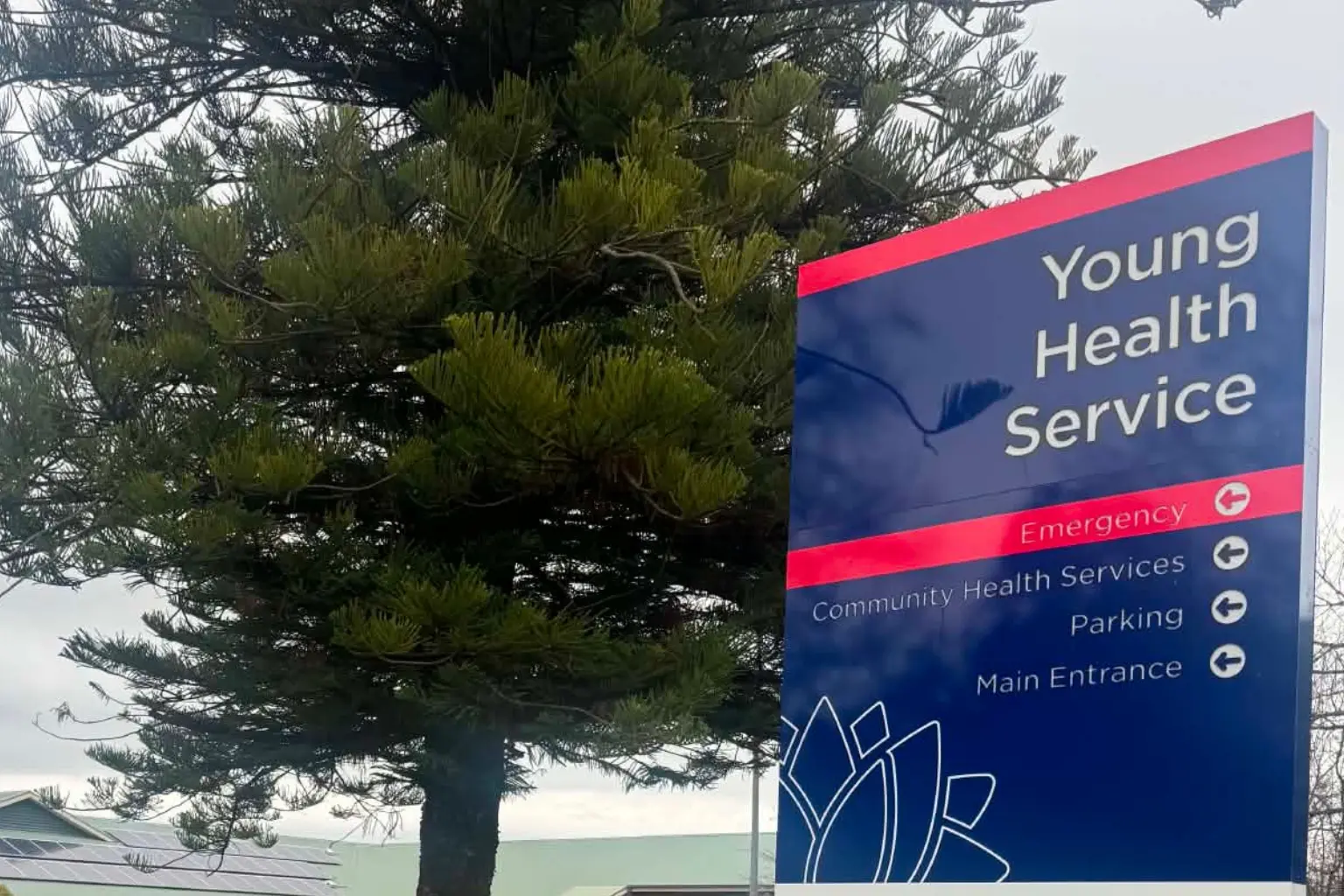
In Young, Young Health Service provides a local public health access point, while Murrumbidgee Local Health District advises residents can access diabetes nurse and dietitian appointments through its Community Care Intake Service.
Residents can contact the intake service directly on 1800 654 324 to ask about local appointments and support. Referrals can also be made by GPs, doctors and other service providers.
The MLHD service supports people living with diabetes, those newly diagnosed, people with pre-diabetes symptoms, people experiencing diabetes in pregnancy, and families needing support for children or young people with diabetes.
For many residents, the challenge is understanding which door to open first.
A person who is worried about symptoms or risk factors should usually start with their GP.
A person already diagnosed who needs education, dietitian advice or local management support can ask their GP about referral options, or contact MLHD’s Community Care Intake Service.
A person needing specialist diabetes input may be considered for outreach or specialist support through their GP, depending on their condition and local program availability.
Australian Institute of Health and Welfare data shows an estimated 6.5 per cent of Australian adults had diabetes in 2022–24, including people already diagnosed and those newly identified through blood test results.
Type 2 diabetes is the most common form of the condition and can develop gradually, with some people experiencing few obvious symptoms in the early stages.
Delayed support can increase the risk of serious complications affecting the heart, kidneys, eyes, nerves and feet, making early checks and ongoing care particularly important.
Prevention advice generally focuses on regular health checks, healthy eating, physical activity, weight management where needed, reducing alcohol intake, quitting smoking and addressing other risk factors with medical support.
For people already diagnosed, ongoing care can include medication management, blood glucose monitoring, healthy eating advice, regular physical activity, eye checks, foot checks and support to manage the practical demands of living with a long-term condition.
Diabetes Australia also operates 1800PREVENT, a free type 2 diabetes prevention information line, which connects people with information about prevention programs, health coaching and local services.
MPHN said its message during National Diabetes Week was for people to prioritise their health, including visiting their GP regularly to support prevention, early detection and timely access to care.
Hilltops residents who are concerned about their diabetes risk, symptoms or management can speak with their GP, contact Murrumbidgee Local Health District’s Community Care Intake Service on 1800 654 324, or call Diabetes Australia’s 1800PREVENT service on 1800 773 8368.