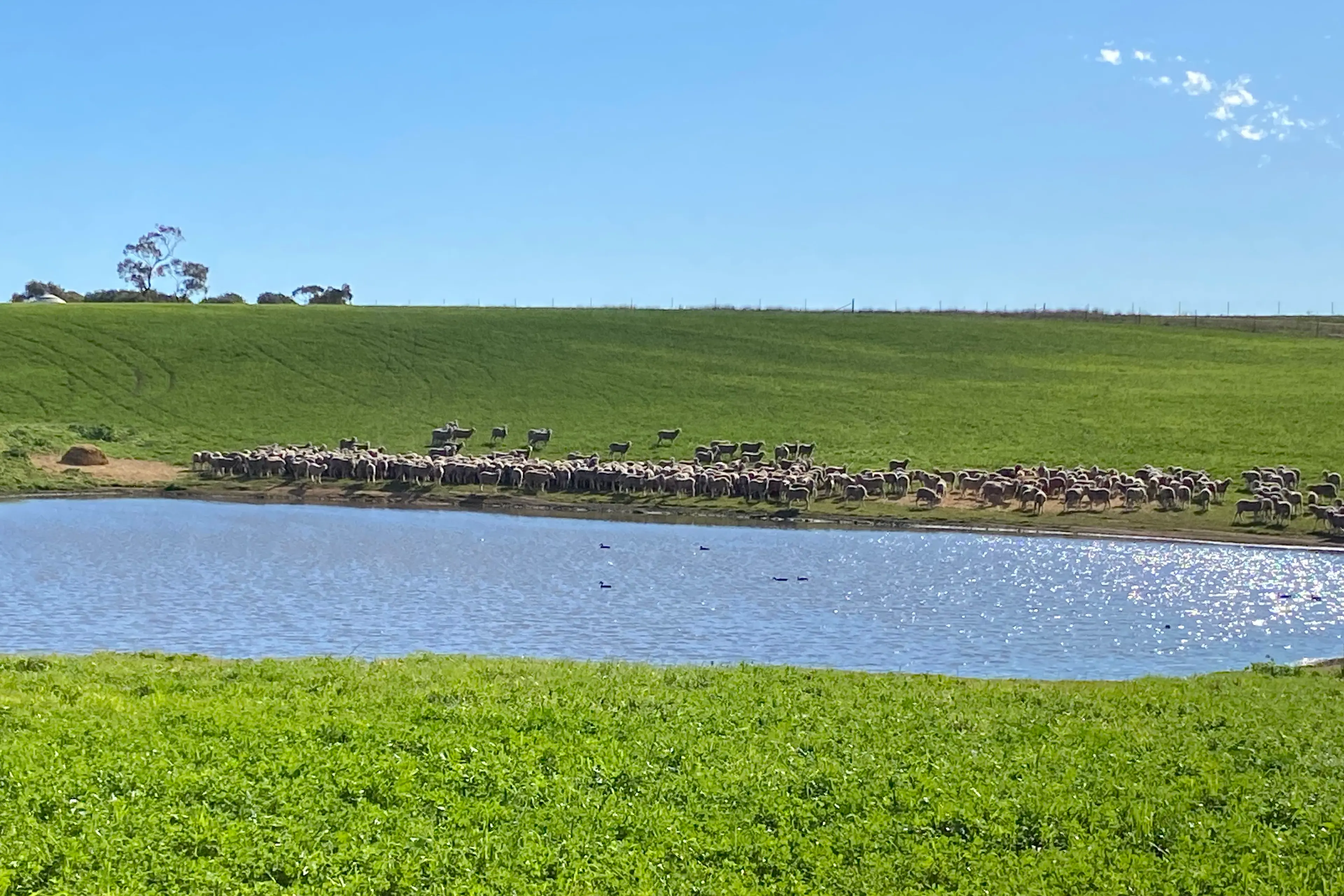
This week I want to look at something most of us on the land already know in our bones: the work, and the country we do it in, can be good for your head. Ask anyone on the land what keeps them going and you'll hear about the job; moving stock at first light, a day on the header, fixing a fence and standing back to admire it. There's something in work you can see the end of. The research backs it up, with a few catches. The strongest evidence is for movement. A 2024 review in the British Medical Journal (BMJ), pooled 218 randomised trials and found exercise is an effective treatment for depression. Walking or jogging, yoga and strength training did best, especially when done with some effort. It isn't a replacement for professional care when things are serious, but it's a real tool, not just a feel-good line. Nature has its own evidence. A University of Exeter study of nearly 20,000 people found those who spent at least 120 minutes a week in natural settings were significantly more likely to report good health and wellbeing. It didn't matter whether that came in one hit or lots of short visits. It's a snapshot of what people said about themselves, so treat it as a pointer, not proof. Here's the catch. Most farmers clock 120 minutes outdoors before smoko, and the numbers still aren't good. The 2026 National Farmer Wellbeing Report, from Norco and the Black Dog Institute, found 54 per cent of farmers had felt depressed or down in the past two years, and one in seven had thoughts of self-harm or suicide. Earlier research from rural NSW found farmers were half as likely as other workers to see a GP or mental health professional. So the paddock isn't protecting us on its own. My own view is that time outdoors you choose is different to work outdoors you're stuck with. A walk along the creek on a Sunday isn't the same as a 14-hour day on the tractor with the bank, the weather and the input costs riding along. And the paddock is a great place to clear your head, but a poor place to be alone with it for weeks. So here's what I'd take from it. Move on purpose, especially on the flat days. A 20-minute walk counts, and it pairs well with the routine we talked about a few weeks back. Share the job where you can. Most blokes talk shoulder to shoulder, not face to face. Ask a neighbour to give a hand in the yards, or to come along for the drive. Watch the baseline. If the bloke who's always out the back stops going out, or never comes in, that's a change worth a quiet word. And don't wait it out. If you've been flat for more than a couple of weeks, see your GP or walk in to a service. Fresh air is a good start, not the whole answer. We don't need to tell anyone to toughen up. We need to make it normal to be outside together, and just as normal to say when it isn't working.